A fire and smoke damage documentation checklist gives homeowners, restoration contractors, adjusters, and claim teams one practical way to organize a difficult property loss. Good records do not decide whether damage is covered, what work is authorized, or how much is payable. They do make the observed conditions, safety restrictions, work performed, and open questions easier for everyone to review against the policy and the facts.
The first priority is life safety, not paperwork. Do not enter a damaged building until the fire department or other responsible authority says entry is permitted. The U.S. Fire Administration guidance for after a home fire explains that structural damage, utilities, and hidden hazards may remain after flames are out. Follow instructions from fire officials, local authorities, the property owner, and the insurer before arranging inspection or restoration access.
1. Start a single claim and incident record
Create one digital folder and, if useful, one paper folder as soon as practical. Use a consistent property address and date-of-loss label. Save the claim number, carrier contact information, fire incident or report number when available, emergency contacts, and the names and roles of every person who visits the site. A simple contact log can reduce confusion when several vendors, adjusters, and family members are communicating at once.
Property address, date and approximate time of the event
Fire department incident number and responding authority
Carrier claim number and assigned adjuster contact information
Dates, times, participants, and short notes for each call or site visit
Copies of written authorizations, estimates, invoices, and receipts
Keep factual observations separate from assumptions. Write “black residue observed on the north bedroom wall” rather than assigning a cause that has not been evaluated. Record who supplied each conclusion. This distinction is particularly important when fire, smoke, suppression water, weather exposure, and pre-existing conditions may overlap.
2. Document access and safety restrictions
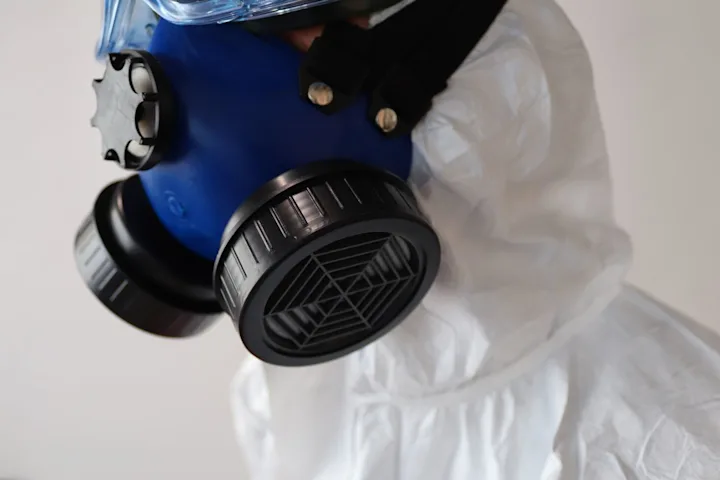
Before photographing damage, record whether entry has been authorized and which areas remain restricted. Photograph posted notices without removing them. Note shutoffs, temporary barriers, unstable surfaces, electrical concerns, water on floors, and areas that require specialized personal protective equipment. Contractors should document their own site-safety controls and the limits of the authorized work area.
The Ready.gov home-fire guidance emphasizes following local authorities and using caution after a fire. Homeowners should not perform hazardous cleanup simply to create better photographs. When conditions require professional evaluation, wait for qualified personnel and preserve the access decision in the file.
3. Photograph the property from broad context to detail
A useful photo set tells a reviewer where each close-up came from. Begin with the street address or another property identifier, then capture all exterior elevations, entrances, and affected rooms from their doorways. Move to individual walls, ceilings, floors, fixtures, contents, and building components. Include reference views that show the relationship between fire damage, smoke residue, suppression water, and openings created for firefighting.
Capture the property identifier and all accessible exterior elevations.
Take an overview at the entrance to every affected room.
Photograph each wall, the ceiling, the floor, and major contents groups.
Add close-ups of soot, charring, staining, corrosion, water lines, or material deterioration.
Use a ruler or other neutral scale only when it can be placed safely.
Retain original files and metadata; export working copies instead of editing originals.
Avoid relying on dramatic close-ups alone. They may show a condition clearly but not its location or extent. Do not move contents solely to improve a photograph unless movement is safe and authorized. If an item must be moved for emergency stabilization, photograph it before and after and record who moved it and why.
4. Build a room-by-room contents inventory
A contents inventory is easier to review when it follows the physical layout of the property. Assign each room a consistent name, then list items or logical groups with quantity, description, brand or model when visible, approximate age, observed condition, and photo references. Serial numbers, purchase records, manuals, warranty emails, and prior photographs can help identify property, but estimates should be labeled as estimates.
Do not discard items until the appropriate authority, property owner, and claim contact have addressed safety and documentation needs. Some materials may be unsafe to retain, and emergency disposal may be necessary. When that happens, document the reason, quantity, photographs, disposal date, and the person or vendor responsible. The goal is a traceable record, not the preservation of unsafe debris.
5. Separate direct fire, smoke, water, and exposure observations
Fire losses often involve several damage mechanisms. A room may have heat damage near the origin area, smoke residue in adjacent spaces, water from suppression, and weather exposure from roof or window openings. Record each observed condition without assuming one treatment applies everywhere. This supports a more precise restoration scope and helps reviewers understand why different materials may require different evaluation.
Smoke and ash can affect indoor air and surfaces beyond visibly burned areas. The EPA's indoor air guidance for wildfire smoke explains how fine particles can enter buildings and affect indoor environments. A structure-fire assessment is not identical to wildfire guidance, but the resource underscores why invisible or lightly visible residues should be evaluated carefully rather than dismissed or described with unsupported certainty.
6. Record emergency services and stabilization work
Create a before-and-after record for every emergency measure: board-up, temporary roof covering, water extraction, controlled demolition, debris manipulation, air movement, dehumidification, or temporary power. Record the requested work, requesting party, arrival and departure times, labor and equipment used, affected areas, daily readings where applicable, and any condition that prevented completion.
For help locating the right kind of response resource, review PerilBridge's service overview. Homeowners can also begin with PerilBridge resources for homeowners. These pages support contractor routing and education; they do not replace emergency authorities, the insurance carrier's claim process, or a licensed professional's site-specific advice.
7. Keep the restoration scope tied to observed conditions
A restoration scope should connect each proposed activity to a location, material, quantity, and documented condition. Use room names that match the photo log and inventory. Identify testing or specialist evaluation that remains pending. Separate emergency stabilization from cleaning, demolition, reconstruction, contents handling, and specialty services so reviewers can follow the sequence.
The IICRC S700 standard information page describes a professional framework for fire and smoke damage restoration. Contractors should use applicable standards, manufacturer instructions, regulations, and project requirements rather than presenting one generic cleaning method as suitable for every material. Certification can be a useful qualification signal, but it does not by itself determine coverage or authorize work.
Restoration and roofing firms interested in carrier-ready operations can review PerilBridge for contractors. Carrier and vendor-management teams can review PerilBridge for carriers to understand the platform's vetted-network focus.
8. Preserve estimates, invoices, receipts, and change records
Save every version of an estimate with its date and author. When the scope changes, document the newly discovered condition, supporting photos or measurements, who was notified, and whether the work is urgent or can wait for review. Do not overwrite the original estimate. Version history helps distinguish the information available at each stage.
Maintain receipts for temporary lodging, emergency supplies, board-up, cleaning, storage, meals, transportation, and other loss-related expenses when applicable. Categorize them without stating that any particular expense will be reimbursed. Eligibility and limits depend on the policy, the facts, documentation, and the carrier's review.
9. Use clear communication and role boundaries
Contractors can document conditions, describe proposed work, answer technical construction questions, and submit estimates. They should not promise claim approval, payment, replacement, or a particular settlement. They also should not present themselves as providing legal advice or public-adjuster services unless separately licensed and permitted to do so in the relevant jurisdiction.
Homeowners should direct coverage questions to the carrier or an appropriately licensed adviser. Adjusters and vendor managers benefit from concise status updates that identify completed work, current site conditions, pending decisions, and the next safe step. If PerilBridge support is needed for routing or platform questions, use the contact page.
10. Run a final documentation quality check
Every image is dated, labeled, and connected to a room or exterior area.
The contents inventory includes photo references and distinguishes known facts from estimates.
Emergency work has authorization, timing, labor, equipment, and before-and-after support.
Scope line items connect to observed conditions and measurable quantities.
Estimate versions and change records are preserved rather than overwritten.
Receipts and communications are stored in the same organized file.
No document promises coverage, payment, approval, or a policy outcome.
A complete file will not eliminate every question, but it can make questions more specific and easier to resolve. The best fire and smoke damage documentation is calm, chronological, traceable, and safety-led. It shows what was observed, what was done, who did it, and what still requires evaluation—without overstating what the records prove.