Documenting roof storm damage for an insurance claim is a shared evidence problem: homeowners need a clean record before anything changes, and adjusters need enough context to separate covered storm damage from age, installation issues, or wear. Start before the first tarp goes on, because the best claim file shows what happened, where it happened, and what changed after mitigation.
If the roof is unsafe, stay on the ground and start with what you can see. PerilBridge can help homeowners request a claim-ready roof inspection and can coordinate temporary protection through emergency roof tarp service when water is still entering the property.
Build a storm timeline first
A claim file should begin with the date and approximate time of the loss, the weather event involved, and what changed at the property. The National Severe Storms Laboratory tracks severe-weather research and warning science, but for an individual claim you still need property-level observations: when the hail or wind arrived, when leaks appeared, and what rooms were affected.
Write down the date, time, and suspected cause of loss.
Save local weather alerts, carrier notices, or neighborhood reports.
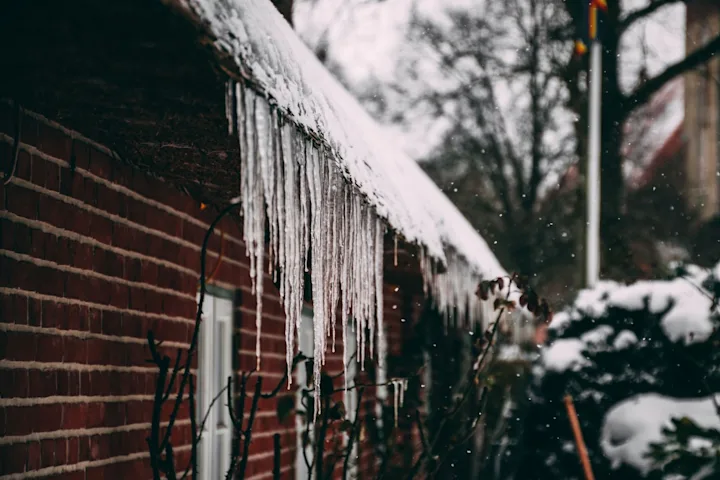
List every observed symptom: missing shingles, ceiling stains, gutter dents, displaced ridge caps, or wet insulation.
Record who visited the property and when, including contractors, mitigation vendors, and the carrier adjuster.
Use wide, medium, and close photos
Photo sequencing matters. A close-up of a shingle bruise is hard to use if no one can tell which roof slope it came from. Take a wide photo of each elevation, a medium photo of the slope or roof plane, and then a close photo of the condition. That sequence gives adjusters orientation and helps contractors write a cleaner supplement if the first scope misses a line item.
FEMA advises disaster survivors to take photos or videos of damaged property and keep repair receipts before cleanup. The same principle applies to roof claims: photograph the exterior, the interior, and any temporary repairs before damaged materials are removed.
What to photograph
All four exterior elevations, including rooflines, gutters, downspouts, siding, windows, vents, and fences.
Each damaged roof slope from the safest available angle; use a drone or licensed inspector for roof-level images.
Collateral indicators such as dented soft metals, torn screens, cracked skylights, or displaced flashing.
Interior water marks, wet drywall, insulation staining, damaged contents, and rooms beneath the impacted roof plane.
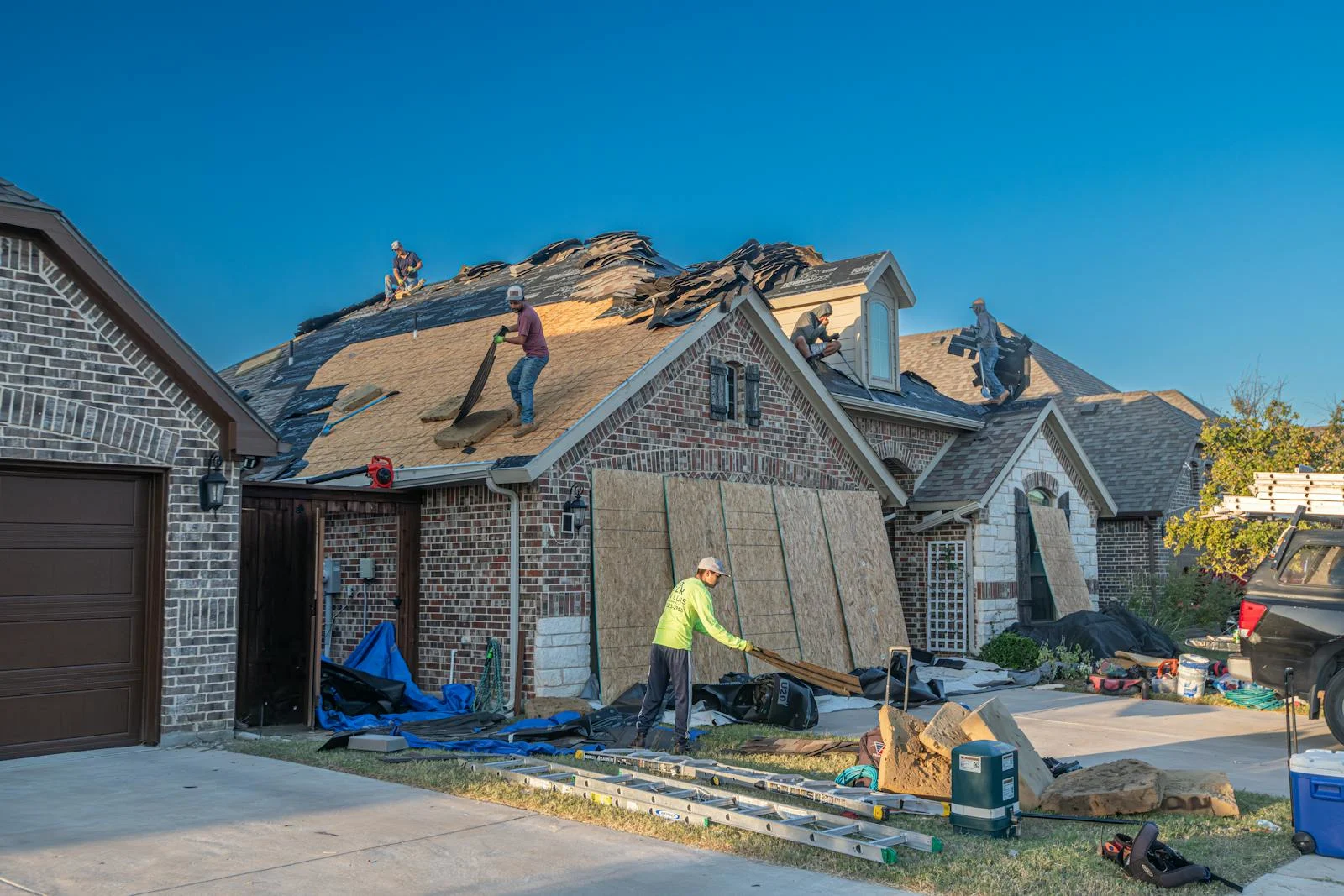
Temporary repairs, tarps, board-up work, drying equipment, and every receipt tied to mitigation.
Do not disturb evidence before documenting it
Mitigation is still required. The point is not to leave the home exposed; it is to document the condition before the scene changes. FEMA also tells homeowners not to wait to clean up or make necessary repairs after a disaster, while still saving photos and receipts. The practical order is simple: photograph, protect, save receipts, then organize.
For an adjuster, the most useful claim packet is not the one with the most photos. It is the one where every photo has a location, a date, and a reason it matters.
Create a clean claim folder
Create folders for exterior, interior, mitigation, receipts, contractor report, and carrier correspondence.
Rename photos by slope or room, such as north-slope-missing-shingles-01 or kitchen-ceiling-stain-02.
Keep originals. Do not crop, filter, or mark up the only copy of a photo.
Export one PDF summary for the adjuster, but keep the original image files available.
Homeowner and adjuster checkpoints
Homeowners should focus on safety, dates, receipts, and visible changes. Adjusters should look for a complete chain of evidence: storm timing, slope orientation, interior correlation, and mitigation chronology. The Insurance Information Institute's claims payment guidance is also useful context for why receipts and replacement documentation matter after the initial payment.
If the property needs a vetted roofer or restoration contractor after the first inspection, start with PerilBridge's roof storm damage service overview or contact our team with the claim number, date of loss, carrier, and inspection report.
The short version
A strong roof storm damage claim file answers five questions: what happened, when it happened, where the damage is, how the property was protected, and what documentation supports the scope. Good photos make the file visible; organized dates and receipts make it usable.