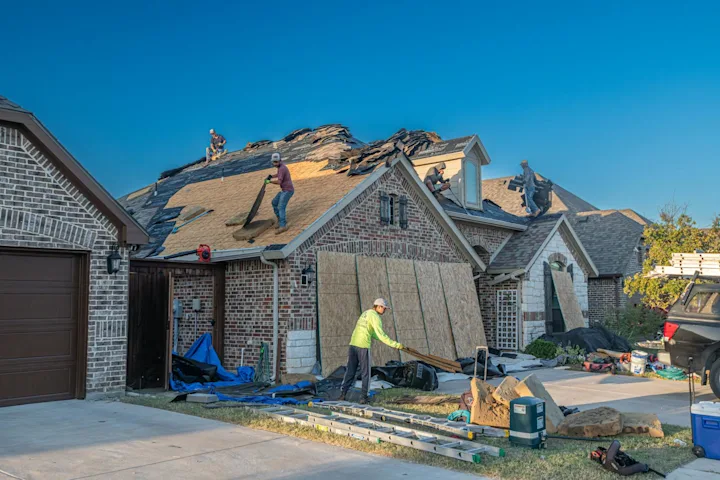
Reading a roofing inspection report is easier when you know what the report is trying to prove. After a hail, wind, hurricane, fire, or water event, the report should not merely say the roof is bad. It should connect observed conditions to the roof area, the likely cause, the repair recommendation, and the documentation an insurance adjuster can actually evaluate.
This homeowner guide is also useful for adjusters and claim teams because it highlights what makes a report claim-ready. If you still need a field review, PerilBridge can help coordinate a claim inspection request or connect the file to a contractor familiar with roof storm damage scopes.
Start with the basics on page one
A usable inspection report should identify the property, inspection date, date of loss if known, roof type, approximate age, number of layers, roof pitch, access limitations, and who performed the inspection. If those basics are missing, the rest of the report becomes harder to trust because no one can tell when the observations were made or what roof system was evaluated.
Property address and claim or reference number.
Inspection date, reported date of loss, and weather event if known.
Roof covering type, approximate age, number of layers, and visible roof penetrations.
Safety or access limitations, including steep slopes, wet surfaces, brittle materials, or areas inspected by drone only.
Names and roles of the inspector, contractor, adjuster, or engineer who contributed to the file.
Confirm the photo sequence makes sense
Good reports orient the reader. A close photo of a cracked shingle is weak if it does not show which slope it came from. Look for a wide image of the elevation, a slope-level image, then close photos of specific findings. That pattern lets a desk adjuster, field adjuster, or supplement reviewer follow the evidence without guessing.
FEMA's claim documentation guidance emphasizes photos, videos, and receipts after damage. For roof claims, the same rule becomes more specific: photos should be dated, organized by roof plane or room, and preserved before temporary repairs change the scene.
Know the difference between observations and conclusions
A report may observe missing shingles, creased tabs, exposed fasteners, soft-metal dents, granule displacement, water stains, or damaged flashing. The conclusion is the explanation: wind uplift, hail impact, wear, improper installation, mechanical damage, or another cause. Strong reports separate those two layers. Weak reports jump straight to replacement without showing the evidence path.
The best inspection reports make it possible for another qualified reviewer to understand the slope, the photo, the observed condition, and why that condition matters.
Terms homeowners should recognize
Slope or plane: One face of the roof, often labeled north, south, front, rear, left, or right.
Test square: A marked inspection area used to count hail hits or other damage indicators.
Collateral damage: Related damage to gutters, vents, siding, screens, fencing, or soft metals that supports the storm story.
Functional damage: Damage that affects the roof's ability to shed water or perform as intended.
Repairability: Whether a damaged component can be replaced without causing additional damage or mismatch.
Watch for report limitations
Inspection standards matter because no inspector can safely or legally do everything in every condition. The InterNACHI Standards of Practice describe home inspection reporting expectations and limits, including that inspectors are not required to do unsafe things such as walking roof surfaces when conditions make that dangerous. The report should be candid about what was inspected directly, what was viewed from the ground, and what could not be observed.
NRCA also stresses that roof inspections and maintenance should be handled by qualified people. Its roof inspection guidance is a useful reminder that the roof system includes more than shingles: drainage, flashings, penetrations, edges, and general condition all matter.
Use the report to ask better claim questions
Which slopes have documented storm damage, and which do not?
Does the report explain whether the damage is fresh, old, cosmetic, or functional?
Are interior leaks matched to the roof plane above them?
Does the estimate scope match the report findings line by line?
Are code, matching, brittle shingle, or discontinued material issues explained separately from the base repair scope?
For adjusters: what makes a report easier to review
Adjusters do not need a report padded with vague photos. They need organized evidence. A review-ready report labels slopes, distinguishes damage from maintenance conditions, includes collateral indicators when relevant, and avoids overstating policy conclusions. The Insurance Information Institute's claims process overview is helpful background for why documentation, replacement proof, and settlement timing all matter.
After reading the report, homeowners should keep a clean copy, save original photos, and compare the report against the carrier estimate. For help routing the next step, use the PerilBridge insurance-claim roofing guide or contact PerilBridge with the report, date of loss, and claim number.